
The signature is the easiest part of a sponsorship. Everything that makes it worth having gets decided afterwards, under more time pressure than the deal itself.
Sponsorship activation is the second half of the job, the work a brand does with the rights it has already bought. It carries a smaller budget than the fee and a much larger share of the result.
Six weeks is enough time to put something together. The activations people still talk about start a lot earlier than that.
What Is Sponsorship Activation?
Sponsorship activation covers everything a brand builds on top of a sponsorship it already holds. The fee buys access to an audience. The activation gives that audience something to do with the brand while they are there.
Two budgets sit behind any sponsorship. The rights fee goes to the property, whether that is a festival, a team or an event, and secures the brand’s place in it. The activation budget pays for the structure, the crew running it and the content that comes out of it. That second budget is the one people actually encounter, and it works on the same principle as how activations earn participation.
What Sponsorship Activation Looks Like in Practice
Three examples from our own work, at three different budget levels.
Designing for a Whole Event Week
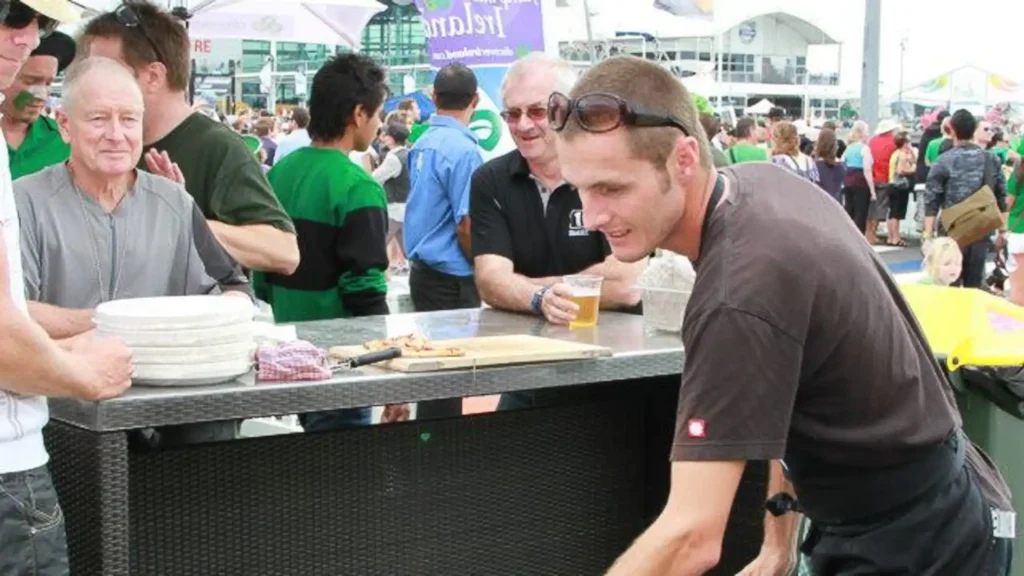
Peroni was a sponsor of the Volvo Ocean Race, and our brief was to own the in-port environment for the full week rather than build one static offering. A race week brings the same people back repeatedly. One experience, however good, has little left to give by the third visit.
We built a bar space pairing wood-fired pizza with Peroni, then added Peroni-flavoured gelato, street-art installations and a cinema night. Four reasons to come back instead of one.
Rethinking a Stand You Already Have
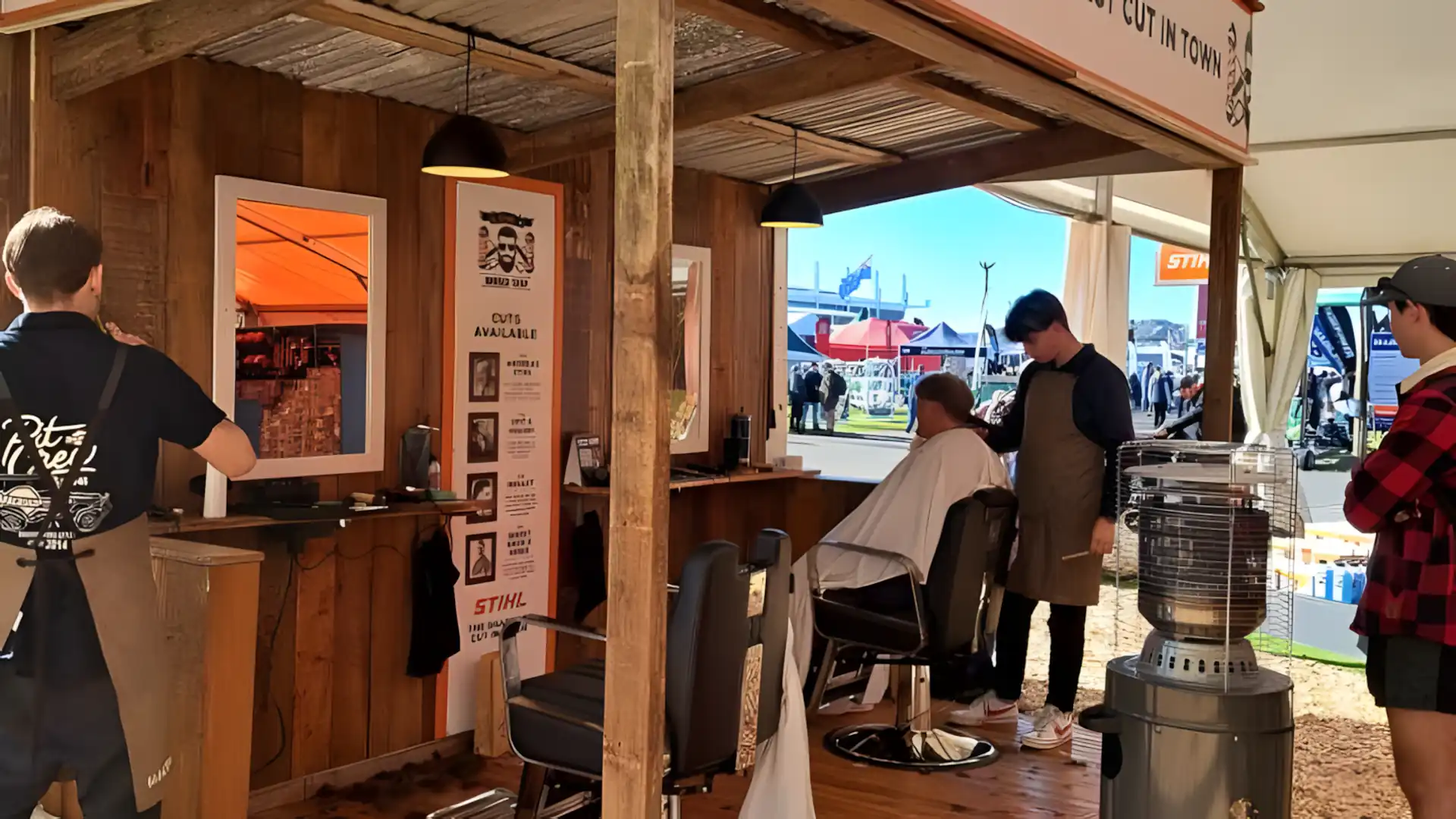
We put a working barbershop inside the STIHL stand at National Fieldays, staffed by two barbers from a local franchise for the entire run.
STIHL had been at Fieldays, one of New Zealand’s largest agricultural events, for years before that. Large stand, strong product range, established presence. Visitors walked past it on their way to something else. Same rights, same floor space, same spend on being there. The queue formed because of what went inside it.
Activating on a Smaller Budget
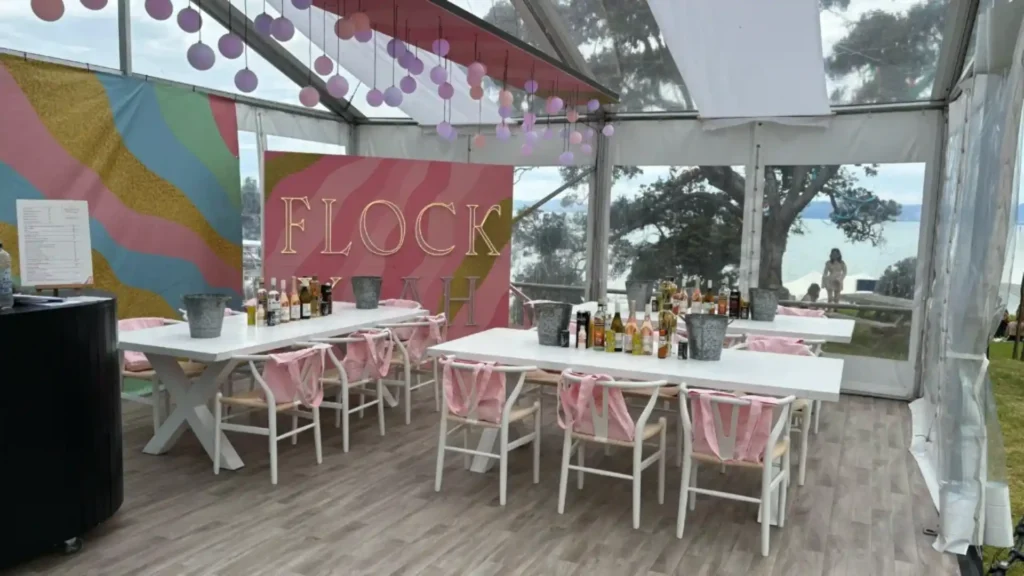
Not every activation needs a build. Babydoll Wines was returning to Splore after the pandemic had taken out the festival season, and wanted more than a booth. We made the winemaker the centrepiece. Ruby McManaway ran live cocktail-making sessions, with attendees mixing drinks under the guidance of the person who made the wine. Most of the cost sat in planning and in her time rather than in fabrication.
How to Plan a Sponsorship Activation
Work Out What You Can Actually Use
Start with the contract. Most sponsorship agreements contain more than signage, and the extras are where the opportunity sits: hospitality allocation, talent time, digital rights, category exclusivity, use of event footage afterwards. We find rights sitting unused on most agreements we read. Not through oversight. The deal gets negotiated months before anyone sits down to design the experience, and nobody goes back to the contract with that design in hand.
Design for the Audience Already in the Room
A sponsorship audience is different from one a brand assembles itself. These people came for the event. Your brand is something they meet on the way to what they actually want, which sets the bar for any experiential marketing built into a sponsorship: add to their day, or get walked past. In practice, that means the activation has to work for someone who did not plan to visit it, in the few seconds they are deciding whether to stop.
Plan the Build and Logistics Early
Anything physical needs a lead time the sponsorship calendar does not account for. Fabrication, transport, site access and consents all have to land on a date that cannot move, and the crew has to be booked against the same date. Decide late, and the only options left are the ones that can be turned around quickly. You end up paying more for a smaller idea. Building that lead time into the schedule is the practical half of delivering an activation properly.
Decide What You Are Measuring Before the Event
Agree what success looks like while there is still time to design for it. Data capture, sampling numbers and media coverage each need a different setup on the ground, and retrofitting any of them to a build that was not made for it gives you a thinner version of the result.
The same goes for what happens afterwards. Content captured on site outlives the event by months. Whether you get it depends on a decision made well before the gates open.
Making Your Next Sponsorship Work Harder
If you are holding rights and the activation is still open, we would be glad to look at what the agreement makes possible. Marvel Experiences designs and delivers brand activations across New Zealand, concept through to pack-down. Start a conversation with us, or look through the work we have delivered.