
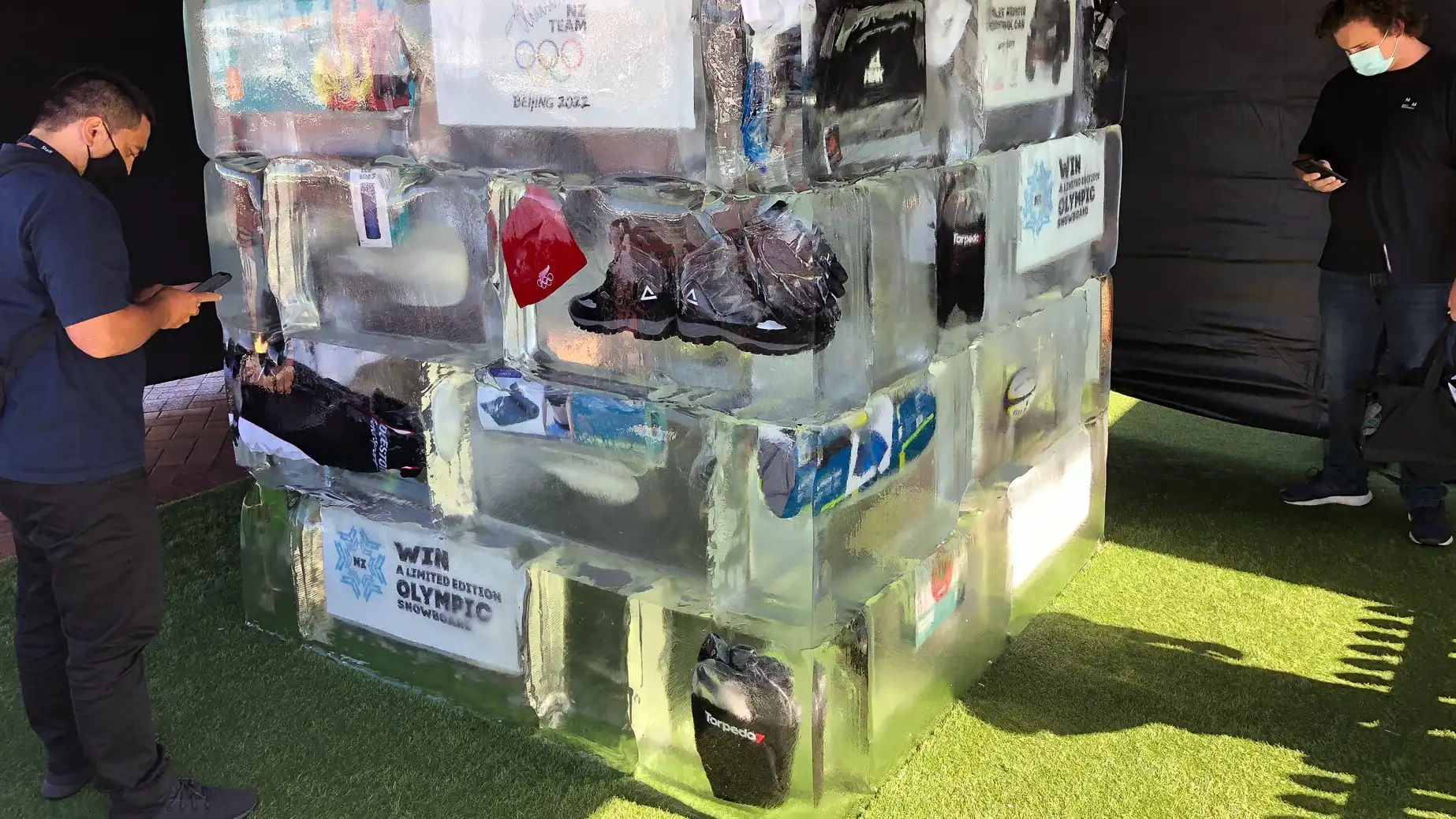
A two-metre block of ice sat melting through a New Zealand summer with thirty-two prizes frozen inside it. The only question anyone had to answer was when their cube would melt. That activation ran during a Winter Olympics campaign and produced 540,000 media impressions and 5,122 direct interactions with the public.
Brand activations get talked about as though the creative idea is the whole job. The idea matters. So does knowing what to do when a site manager moves your load-in window, or when the weather turns on day two of a nationwide tour. This guide covers what a brand activation is, the formats it can take, what makes one work, and what is actually involved in delivering one in New Zealand.
What Is a Brand Activation?
A brand activation is a live experience built to put a brand in front of people in a real place, at a real time, in a way they can take part in.
Advertising works by buying attention. An activation works by earning participation, which is a higher bar and a stronger result when you clear it. Someone who has held your product has formed an opinion from the experience rather than from a claim you made about yourself.
What’s the Difference Between a Brand Event and Activation?
An event exists for the occasion, whether that is a conference, a launch party or an awards night. An activation exists for a commercial objective, and the format follows from that objective. Often the activation lives inside an event, which is where sponsorship gets interesting.
Brand activations sit within the wider discipline of experiential marketing, which covers everything from a single pop-up through to a nationwide campaign.
Types of Brand Activations
The format should come out of the objective. A brand that needs national reach among teenagers has a different problem than a wine label re-entering the festival circuit. These are the formats we use most often in the New Zealand market.
Pop-Up Experiences
A pop-up is a temporary space built for a defined window, where the venue itself is the reason people come. The format suits launches and moments where a brand needs concentrated attention rather than steady presence, because a short window creates urgency that a permanent site never will. Pop-ups are demanding to produce. You are building a functioning venue, often in a space never designed for one, and removing it days later.
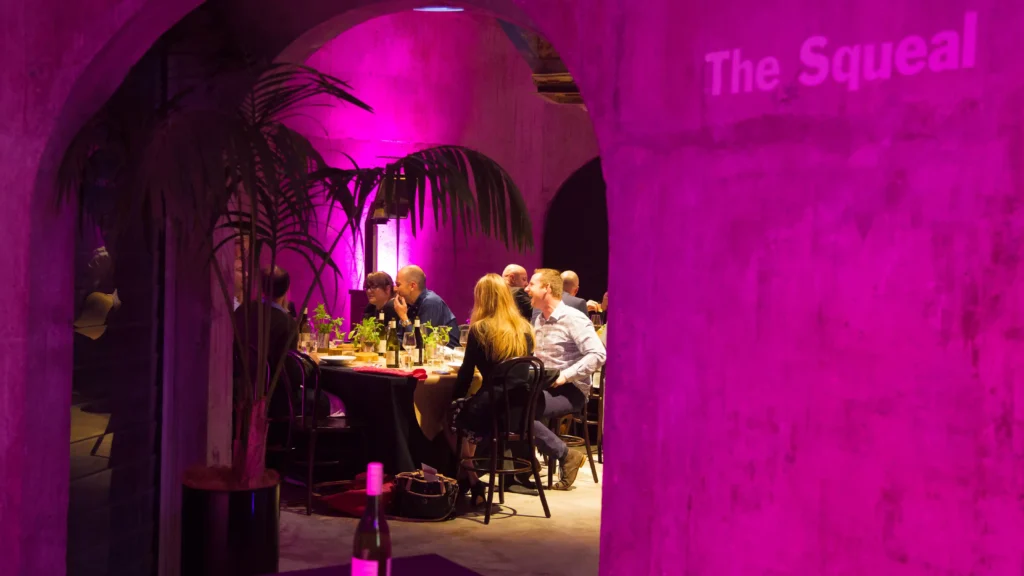
Squealing Pig launched in New Zealand with a two-night pop-up restaurant inside The Silos on the Auckland Viaduct, chefs flown in from Porteño in Sydney and tickets deliberately limited to keep demand ahead of supply.
Touring and Mobile Activations
A touring activation is built once and taken to the audience, moving through a set route over days or weeks. It suits brands with a nationally dispersed audience, and it is often the only practical way to reach regional New Zealand without buying media in every market.
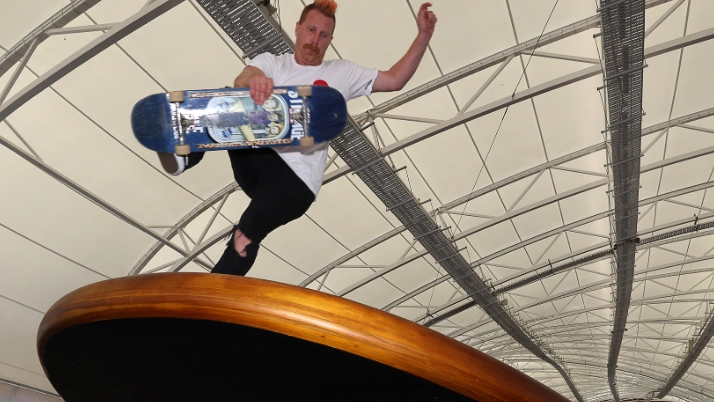
We built a twelve-metre working skateboard and toured it for forty days through schools, skateparks, surf beaches and landmarks, to introduce young New Zealanders to skateboarding as an Olympic sport.
Trade Show and Event Activations
Most brands at a trade show are exhibiting. A smaller number are activating, which means giving visitors something to do rather than something to look at. The format works because the audience has already chosen to be there and arrived in a buying frame of mind, so the competition is for attention inside the venue rather than for attendance.
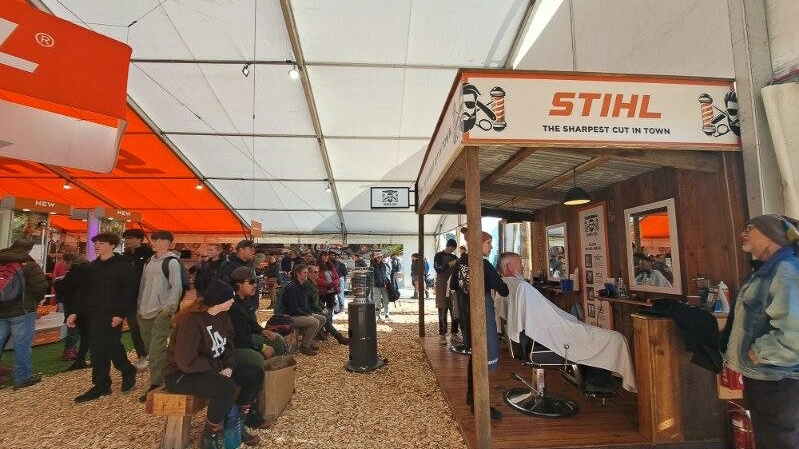
STIHL had been at National Fieldays for years before we put a fully operational barbershop inside their stand, and the queues did the work a wall of brochures never had.
Sponsorship Activations
Sponsorship buys the right to be present. A sponsorship activation is the work that turns that right into something people remember, and it usually needs its own budget line separate from the rights fee. The format is shaped by the host event, so the discipline is identifying what the audience already wants more of and supplying it under your name.
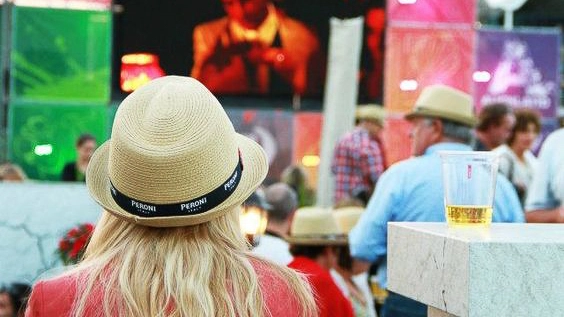
Peroni’s involvement in the Volvo Ocean Race became a week-long pop-up with wood-fired pizza, Peroni-flavoured gelato, street art and a cinema night, built to own the in-port environment for the duration.
Interactive Mechanics
Some activations are built around a single participatory idea rather than a space. A mechanic gives people a reason to take part and something they can describe to someone else in one sentence, which is what carries the activation further than its physical footprint.
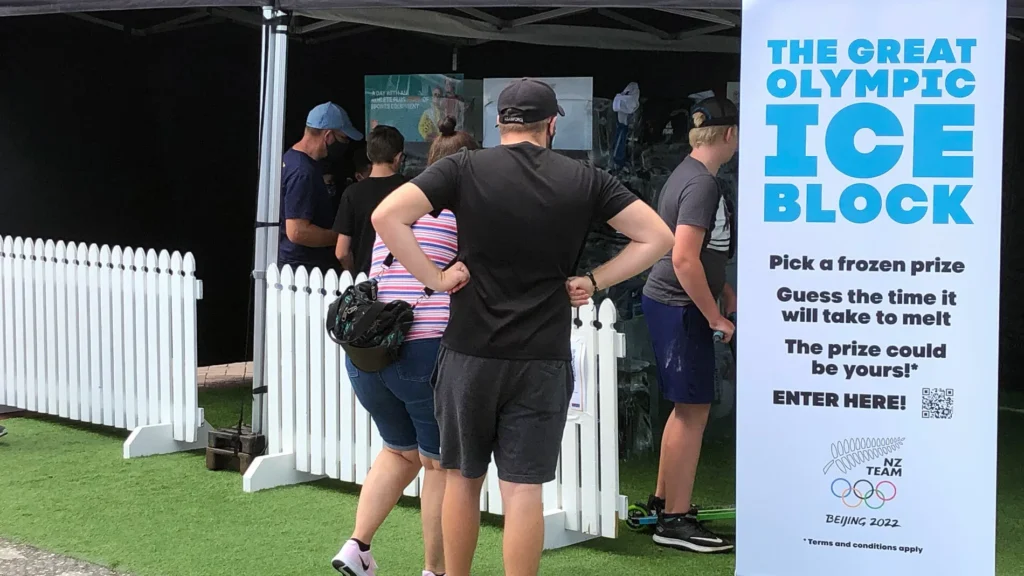
The Great Olympic Ice Block Challenge was one question and one two-metre block of ice with prizes frozen inside, and more than 5,122 people stopped to take part across a New Zealand summer.
Sampling and Product Trial
Sampling puts the product into someone’s hand, which remains the shortest route from awareness to opinion. The format suits food, drink and anything where the product persuades better than the messaging around it.
When Babydoll Wines returned to the festival circuit after the pandemic, we made the winemaker herself the activation, with Ruby McManaway running live cocktail sessions at Splore so every pour arrived with the story behind it.
Invitation-Only and Influencer Activations
Restricting access is a mechanic in its own right. These activations trade scale for depth, reaching a small group with enough influence or spend to justify the cost per head, then relying on that group to carry the story outward. The format lives or dies on the guest list and on whether the experience is genuinely hard to get into, since exclusivity offered to everyone is just marketing.
Peroni’s open-air cinema runs annually for an invited network in unexpected Auckland locations, including the rooftop of the Law Society building, in a format built to repeat each year without feeling like a repeat.
How a Brand Activation Comes Together
The creative idea is the visible part. Most of the risk sits in everything underneath it.
- Brief and Objectives: We start by defining what the activation has to achieve and how success will be measured. Reach, trial, media coverage and sales each lead to a different build, so the objective is settled before any concept work begins.
- Concept Development: Ideas are developed against the brief and the budget together, because a concept that cannot be produced is not a concept. We pressure-test each one for how it will behave in a live environment with real people in it.
- Build and Production: Structures, fit-out, freight and installation are managed as part of the same process rather than handed off. Our logistics and production capability is what allows a twelve-metre skateboard to arrive intact at forty separate locations.
- Compliance and Safety: Public environments carry real obligations. Health and safety planning, local authority requirements, liquor licensing and public liability are handled as standard, in the same way we approach every project through event management.
- Delivery on the Day: Mike and Scott are on site. Activations are judged in real time by an audience with no interest in why something went wrong, which is why the people who sold the idea are the people standing there when it runs.
How to Measure a Brand Activation
Define the metrics before you build. An activation measured after the fact will always produce a number that sounds reasonable and proves very little.
The useful measures depend on the objective. Interactions count the people who actually took part rather than the ones who walked past. Sampling volume tells you how many product trials you bought and at what cost each. Reach and earned coverage show how far the activation travelled beyond the people physically present. Dwell time indicates whether the experience held anyone once they arrived. Sales lift, where it can be isolated, settles the argument.
Come back to the block of ice. Three numbers came out of it, and each measures something different. Media coverage reached roughly 540,000 people, which is exposure. More than 5,122 stopped at the installation, which is engagement. 584 entered the competition on site, which is the only one of the three that records a completed action.
Read together, the three numbers describe a funnel. Half a million people heard about it, five thousand stopped, and 584 committed enough to enter. Each stage costs you people, and knowing where they drop away tells you more than any single figure can. All three belong in the report, and the media leverage that produced the reach is a separate piece of work that needs planning from the outset rather than hoping a journalist happens to walk past.
Planning a Brand Activation?
Every activation in our portfolio started as a conversation about an objective rather than an idea. If you have a product to launch, an audience to reach, or a sponsorship that has not yet earned its keep, our brand activations team will tell you honestly whether an activation is the right answer before anyone starts drawing. Start a conversation.